Saturday, 21 June 2014

Health and Physical Fitness

स्वास्थ्य रक्षणाय

आपण व्यायाम आपले स्वास्थ्य जपण्यासाठी करतो. आपण सर्वजण मानतो की आपले स्वास्थ्य चांगले आहे आणि आपण विकार विरहित आहोत. मुळात स्वास्थ्य म्हणजे काय हे जाणून घेणे खूप महत्वाचे आहे. जागतिक स्वास्थ्य संस्था (World Health Organisation) ह्यांच्या नुसार स्वास्थ्य म्हणजे परिपूर्णता. ही परिपूर्णता फक्त शारीरिक स्वास्थ्या मध्ये नसून मानसिक, आध्यात्मिक, सांस्कृतिक आणि सामाजिक स्वास्थ्या मध्ये देखील आहे. केवळ आपल्याला काही आजार नाही म्हणून आपले स्वास्थ्य उत्तम आहे असे म्हणून चालणार नाही.

आता प्रश्न असा येतो की आम्ही तर सामान्य माणसे आहोत. आम्हाला ह्या सर्व गोष्टी करण्याची गरज का???
स्वास्थ्य रक्षणाय हा निसर्गाचाच नियम आहे. आपलं शरीर हे सर्वात उत्तम डॉक्टर आहे. पण त्या शरीराचं आरोग्य जोपासण्यासाठी आणि आपल्या, आपल्या कुटुंबाच्या आणि किंबहुना देशाच्याच आरोग्य जपण्यासाठी आम्ही डॉक्टर्स बांधील आहोत. आजच्या काळातील कित्येक आजार हे आपल्या चुकीच्या जीवनशैलीमुळे होणारे आजार आहेत. मधुमेह, रक्तदाब, स्थूलता, संधीवात, मानसिक ताण, कर्करोग, कंबरदुखी असे अनेक आजार आज सामान्य झाले आहेत. आपण त्यांना आपल्या जीवनाचा घटक म्हणून मान्य देखील केले आहेत. पण खरी बाब ही आहे की हे सर्व आजार पूर्णपणी रोख्ण्यासारखे आहेत.
व्यायामामुळे आपल्या शरीराची कार्यक्षमता व क्रियाशक्ती वाढते. त्याच बरोबर आपली प्रतिकारशक्ती देखील वाढते. जर देशातील प्रत्येक कुटुंब स्वस्थ व निरोगी असेल तर नक्कीच आपल्या देशाची आर्थिक स्थिती देखील सुधारू शकेल.

व्यायाम हा स्वास्थ्याच्या रक्षणाचा उत्तम मंत्र आहे. पण व्यायाम म्हणजे काय? आपल्या सर्वांमध्ये व्यायामाबद्दल बरेच समज/ गैरसमज आहेत. कोणतीही शारीरिक हालचाल जी आपले स्वास्थ्य व आरोग्य सुधारते ती व्यायाम होय. आपले शारीरिक आरोग्य हे अनेक घटकांनी बनलेले असते. पण ह्यामध्ये शरीराबरोबर मनाचे विकार देखील दूर व्हावेत हे सर्वात महत्त्वाचे आहे.

जर आपल्याला वाटतं की आपली गाडी किंवा घरातील गोष्टी नीट असाव्यात तर त्यांची देखभाल जशी गरजेची आहे, तशीच आपल्या शरीराची निगा ठेवण्यासाठी प्रत्येक अवयवांची देखील देखभाल खूप जरुरी आहे. आपल्या शरीरातील प्रमुख अवयव म्हणजे मेंदू, हृदय, फुफुस, पोटातील अवयव, स्नायू, हाडे आणि सांधे.

१.      मेंदू: ह्यात मस्तक व मनाचाही समावेष आहे. मनाची अशांती आणि असमाधान ह्या दोन गोष्टी मनाच्या विकारासाठी कारणीभूत असतात. ह्याच बरोबर अस्थिरता आणि ताणामुळे देखील मस्तकाचे विकार होऊ शकतात. मनाची शांती आणि मेंदूच्या आरोग्यासाठी ध्यान आणि प्राणायाम अत्यंत महत्वाच्या आहेत. ध्यान म्हणजे शून्यावस्थेत जाणे. कसलाही विचार मनात न आणणे. ह्याच्या मुळे मेंदूला आराम मिळतो आणि त्याची कार्यशक्ती वाढते. प्राणायाम देखील मेंदूच्या आरोग्यासाठी उत्तम आहेत. अनुलोम-विलोम, कपालभाती, भस्रिका, भ्रमरी, आग्निसार क्रिया, अश्विनी, बाह्य प्राणायाम, ओंकार असे अनेक प्रकार मेंदूच्या आरोग्यासाठी उत्कृष्ट आहेत. प्राणायाम आपल्या मेंदूच्या प्रत्येक पेशी पर्यंत ऑक्सिजनचा पुरवठा करतो आणि आपले आयुरमान वाढवतो.

२.      हृदय आणि फुफुस: हृदयाची, फुफुसांची आणि स्नायूंची गती आणि शक्ती वाढवणाऱ्या व्यायामाला एरोबिक व्यायाम म्हणतात. अशा व्यायामामध्ये हृदयाचे ठोके आणि श्वासाचे प्रमाण २० ते ३० टक्क्यांनी वाढले पाहिजे आणि ते २० ते ३० मिनीटे करायला हवं. अशा व्यायामामुळे शरीराची कार्यक्षमता (Stamina/ Endurance) वाढते, म्हणजेच न थकता काम करता येण्याची शक्ती वाढते. बर्याच लोकांची समजूत असते की रोजचं काम, घरकाम म्हणजेच व्यायाम. पण थकवा म्हणजे व्यायाम नव्हे. व्यायामामुळे आपल्याला चेतना मिळते, आनंद वाटतो, कार्यक्षमता वाढते. शरीरात रक्तभिसारण वाढते. थकव्या मुळे ह्याच्या उलट परिस्थिती दिसते. धावणे, पोहोणे, सायकल चालवणे, योगासने, सूर्यनमस्कार, शाळेतील कवायती (PT Exercises) यामुळे आपली कार्यक्षमता वाढवता येते.

३.      पोटातील अवयव: ह्यात जठर, आतड्या, मूत्रपिंड आदि अवयवांचा समावेष होतो. बरेच विकार हे ह्या अवयवांच्या निष्क्रीये मुळे होतात. ह्यांच्या उत्तम प्रकृतीसाठी सकस आणि योग्य आहार अत्यंत उपयुक्त ठरतात. त्याचबरोबर पुरेसे पाणी, कॅल्शियम आणि विटामिन्स आवश्यक आहेत.

४.      स्नायू, हाडे आणि सांधे: ह्यांच्या आरोग्यासाठी ताकद (Strength), लवचिकता (Flexibility) आणि चपळता (Agility) चे व्यायाम महत्वाचे आहेत.
ताकद म्हणजे कुठलीही क्रिया करण्याची स्थिती. उदा. आपण आपल्या दैनंदिन जीवनात वजन उचलण्याची, ढकलण्याची इत्यादी कामे करतो. अगदी कारवाल्यावर सुद्धा पंक्चर टायर बदलण्याची पाळी येऊ शकते. गरज पडल्यावर ती क्रिया करता येण्याची स्थिती म्हणजेच ताकद. ताकद वाढवण्यासाठी आपण व्यायाम शाळेत जाऊन अथवा घरी सुद्धा व्यायाम करू शकतो. अशा प्रकारच्या व्यायामाला अनएरोबिक व्यायाम म्हणतात. ह्यात वजन उचलणे, बैठका, जोर, सूर्यनमस्कार, आदी प्रकारांचा समावेश असतो. अशा प्रकारच्या व्यायामामुळे आपण अनेक कामे सहजतेने करू शकतो. ह्या व्यायामामुळे आपले स्नायू पिळदार व डौलदार दिसतात.

दुखापत न होता आपल्या शरीराला कोणत्याही स्थितीत नेता येणे म्हणजेच लवचिकता. वयोमानाने व योग्य व्यायामाच्या अभावी स्नायू ताठरतात आणि त्यांची कार्यक्षमता कमी होते. ह्यामुळे आपल्याला इजा आणि दुखापत देखील होऊ शकते. लवचिकता राखण्यासाठी स्नायूंना ताण देण्याचे व्यायाम (Stretching exercises) उपयुक्त आहेत. ह्यासाठी योगासने फार महत्वाची आहेत. खास करून भुजंगासन, पस्चीमोत्तानासन, नौकासन, शलभासन, पवनमुक्तासन, वज्रासन, ताडासन, वीरभद्रासन, गोमुखासन, वीरासन, मर्कटासन, सूर्यनमस्कार आदी फार महत्वाचे आहेत.
चपळता (Agility) म्हणजेच कुशलता. कोणत्याही प्रसंगी योग्य आणि चटकन निर्णय घेणं. ह्यासाठी ताकद व लवचिकता ह्या दोघांची सांगड घालणे महत्वाची ठरते. आणि त्याच बरोबर गरज असते मानसिक शांती आणि चातुर्याची.

पुढचा प्रश्न येतो की आम्हाला व्यायाम करायला वेळ नाही, पैसा नाही आणि जागा देखील नाही!!!! पण खरं पाहता, व्यायामाला खरच एवढा वेळ, पैसा आणि जागा लागत नाही. आपल्या देशातील ऋषी मुनि हे वर्षानुवर्ष सूर्यनमस्कार करून आपल्या आरोग्याची काळजी घ्यायचे. त्याच बरोबर त्यांचा आहार देखील साधा होता व वागणुक देखील सोज्वळ होती. पतंजलीची सूत्र सांगतात की मनाची शुद्धता फार महत्वाची असते. त्याच बरोबर सदवर्तन, चांगले चारित्र आणि चांगले विचार देखील महत्वाचे आहेत.

अशी अनेक योगासने आहेत जी ६ x ६ च्या खोलीत देखील करता येतात. सूर्यनमस्कार एक असा परिपूर्ण व्यायाम आहे ज्याला काहीही वेळ आणि पैसा लागत नाही. संशोधन सांगत की दिवसाला कमीत कमी १२ ते १५ सूर्यनमस्कार देखील आपल्या आरोग्याची काळजी घेण्यासाठी पुरेसे आहेत. जसं एखादा वैमानिक विमान उडवण्या आधी विमानाचा प्रत्येक भाग तपासतो, तसेच आपण अंथरुणातून उठण्याआधी आपला प्रत्येक सांधा जरी हलवून पहिला तरी एक उपयुक्त व्यायाम ठरतो.

पण आपली आजची पिढी पाश्चात्य अनुकरणापायी आरोग्याकडे पूर्ण दुर्लक्ष करत आहे. त्याच बरोबर जगण्याची स्पर्धा, कामाच्या ताणामुळे अथवा संगतीमुळे व्यसनाकडे देखील वळत आहेत. हे सर्व महत्वाचे प्रश्न मानवनिर्मित आहेत जे आज आपल्यालाच सोडवावे लागतील अन्यथा आपल्या सर्वांच्याच आरोग्यावर ह्याचे दुष्परिणाम दिसतील. व्यायाम हे एक असे सुव्यसन आहे ज्यामुळे आपण वाईट मार्गीदेखील कधीच जात नाही.

आरोग्याच्या दृष्टीने आज आपल्याला मॉल्स ऐवजी बागांची जास्त गरज आहे, प्रदूषणापेक्षा स्वच्छ हवेची गरज आहे, औषधांपेक्षा व्यायामाची गरज आहे. नुसत्या आयुष्यापेक्षा सुंदर जीवनाची गरज आहे. म्हणूनच गोष्टीतला ससा कितीही उड्या मारत असला तरी तो व्यायाम न करता त्याच्या आरोग्याला केवळ थकवा देत होता. त्यापेक्षा कासवा सारखी निश्चयी प्रवृत्ती, एकाग्रता आणि कामाचा ध्यास जर आपण जोपासला, तर आपण देखील निश्चित त्यासारखे १०० वर्ष सुखी आणि निरोगी जगू. 

Dr. KH Sancheti
Dr. Apurv Shimpi (PT)

Sunday, 18 August 2013

A SALUTE TO THE BRAVE 2 WHEELER RIDERS OF PUNE


Often when I drive my car on the busy streets of Pune, I happen to give lots of gaalis to the cycle & two wheeler riders (mann me ha…, as do all the car & bus drivers). The two wheeler riders show the bestest example of the most undisciplined traffic followers in the entire world. From lane cutting, to criss crossing, to breaking the signals (which is our birthright in Pune), they do everything. And especially in the rainy season, they particularly happen to drive right in front of you at the slowest pace.

And then I took up to driving my two wheeler for this season as well (petrol costs & everyday car……, phew). I seriously think driving a two wheeler is a huge task in Pune. I remember P.L. Deshpandes Mumbaikar, Punekar ka Nagpurkar where he says driving a two wheeler in Pune is equivalent to driving a national movement, most difficult task… And as a Physio I started perceiving the problems that 2 wheeler riders encounter in Pune.

Well, we all know Pune has the highest number of two wheelers in India (Or Asia or the World I think). Most of us city riders have the scooter types. I know we can’t insult the two wheelers by calling them scooters, but guys, they are what they are. Most of these auto-gears two wheelers are the most prominent sources of back & neck problems in this city. (I’m happy for this yaar. Gives me my patients, right!!!)

The small bases of the wheels are poor shock absorbers. As against the bikes, who have large wheel diameters & thus provide better shock absorption. Whenever we are sitting on any engine, there are two problems worth understanding. One is the sitting position itself. Sitting increases the pressures within our vertebral discs to a large extent. Our back is a rigid pillar consisting of components giving us mechanical & structural stability. We have natural bends (curves) in our spine which help in giving us an upright posture. But more so, these curves work as our natural shock absorbers helping us distribute the loads on our body. This function is largely done by our vertebral discs which are the best force distributors ever occurring naturally. But they require support & reinforcement by our core muscles as well. The discs encounter minimal force in a lying down position, more force in standing, still more in sitting & a lot more force while sitting with back unsupported. This is exactly what happens when we are sitting on a two wheeler because no two wheelers have a seat with back support.


The second problem is the vibrations of the engine. 4 stroke engines have fewer vibrations than 2 stroke engines. But engine vibrations are directly related to the cc’s of the engine. More cc displacement means more engine power & also more engine vibrations. These vibrations on the unsupported back by themselves are good enough to give us back problems. And to add to the misery are the obstacles on the roads. These can be our beloved potholes, speed breakers or even the so called crossings for senior citizens. And jerk to the back means an increase & rise in the disc pressures almost 60 to 70 times of their normal capability. This is true for the back as well as the neck. Also the posture we drive is very bad. Instead of a proper upright position, we prefer to bend forwards while riding. (Style hai bhai…) This puts high amounts of forces on the spine. I’m very sure more than 90% of the two wheeler riders in Pune suffer from back pain, neck pain & neck spasms.

The other frequently encountered “adventures” of two wheelers are triple seat riding. Most of the two wheelers have a suspension system adequate for one or maximum two riders. A few two wheelers these days have good telescopic suspensions as well, but only for the front wheels. So the poor pillion riders is most of the times compromised. Triple seat riding puts excessive loads on the shock absorption system which has never been designed to handle extreme loads. This misfires badly on our spine & makes us vulnerable to back injuries. The other adventures include driving on the wrong side of the road & breaking signals. This “risks” are the commonest causes of accidents & injuries but are highly neglected in our scenario.


To add to this, we all take it as a personal insult to wear helmets as well. I really don’t know why we feel insulted or inferior or below our dignity to follow any of the traffic rules & laws. Helmets are amongst the best protectors against head injuries. (But we all already know this). The only exception can be people suffering from neck pain & discomfort as this may aggravate their problems. But apart from this, its helmet or hell met…..


Also is the mobile style. Why do we need to talk with someone soo urgent while driving? That too when riding a scooter. The auto gears have rear brake on left & front brake with accelerator on the right. So many accidents of skid & fall happen cause left hand is occupied holding the mobile phone and the person tries to stop urgently with the front brake accelerating at the same time. Not only are cell phones a huge distractors while driving, they are also potential hazards for accidents. And if cell phones are not enough, we see two riders on two bikes chatting with each other riding in middle of busy streets & increasing the temperaments of the other drivers. Guys…. Drive on the same bike na…

When driving the car, I used to get soo annoyed on the way the two wheelerwalas come in front & drive soooo slow. But while driving a two wheeler I realized how unstable it feels to drive on wet roads with all loose gravel lying on it. I’ve seen riders skid & fall soo bad, especially while driving at fast speeds on a curve, it really makes me wonder, is this thrill worth the fractures & the pain??? Rash driving, breaking signals, riding triple seat we feel it’s a thrill. One of my friend told me that I’m missing the thrill of my life & am too “darpook” cause I don’t do anything of this. I took him to our hospital trauma ward & showed him all the two wheeler accident cases & told him, I’m happy as I am missing this thrill as well.


Whatever it is, problems are many & solutions few. In a city with poor public transport systems, costliest petrol prices & highest two wheeler producers, using these machines of health “disbenefits” seem to be the only solution for the masses. But whatever it may be, rules & regulations are meant for our own health & safety. There are a few factors which may not directly be in our control. But most of the factors associated with riding a two wheeler are definitely in our own hands. Use of helmets, following the traffic signals, avoiding rash driving & triple seat riding, regular vehicle servicing, following speed limits (if any), riding on the roads (and not from footpaths & wrong side), avoiding lane cutting may not just serve only to improve this beautiful city. It will also contribute to improvisation of our health & cutting down of our health costs which happen just cause of small negligence from our part. I know it is easier said than done. 

But I have surely realized & understood what a brave breed of people live in Pune & live their lives riding two wheelers. All I can say is, I salute the brave two wheeler riders of Pune.


Saturday, 5 May 2012

Using Suryanamaskar (Sun Salutation) as a Yogic way for a Community Based Complete Exercise Program: A Physical Therapists Perspective

Introduction:

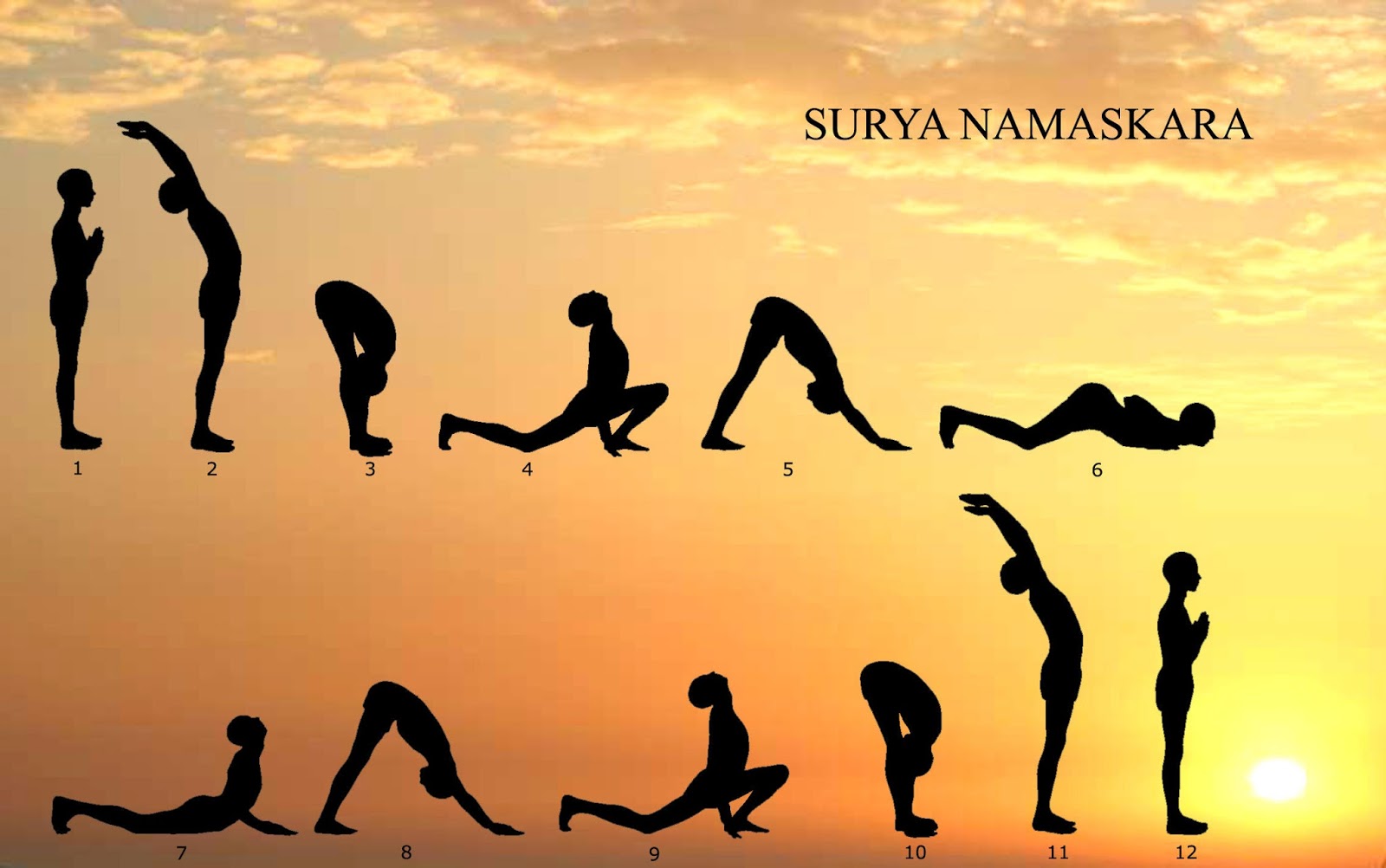
  • Surya Namaskar or Sun Salutations limbers up the whole body in preparation for the asanas.
  • It is a graceful sequence of twelve positions performed as one continuous exercise.
  • Each position counteracts the one before, stretching the body in a different way and alternately expanding and contracting the chest to regulate the breathing.
  • Surya Namaskar or Sun Salutation performed by Hindu worshippers to the Sun deity.
  • Now it is practiced universally irrespective of the religion.

Dalvi R (2012)

Need for the Topic:

  • The present generation is very cautious about their health
  • But we occasionally freak out with our eating habits and are irregular in our fitness & exercise habits.
  • The present market offers lots of health & fitness options like Going to Gym, aerobics classes, fitness club, jogging, using treadmill, crash weight loss program.
  • These are time consuming &/ or expensive fitness options & may not be approachable, economic & available.
  • Yoga, the traditional Indian exercise science, also offers many aspects of health & fitness which is been researched & utilized world over.

Suryanamaskar:
Suryanamaskar is a complete exercise technique suiting most busy people of today.
It is cheaper yet most effective & efficient means for exercise performance.
The requirements/ resources required are minimal but results obtained are equally comparable to most other exercise regimes.
Shimpi A, Shetye J (2015)

Surya Namaskar is a combination of stretches and breath control. Traditionally there are 12 different poses to do in this. Each position counteracts the one before, stretching the body in a different way and alternately expanding and contracting the chest to regulate the breathing.
Seven important positions (aasanas) are beautifully combined in Suryanamaskar.
en.wikipedia.org/wiki/surya_namaskara

Step 1. Pranam-asana (Salutation posture)

  • Stand erect with feet together.                                              
  • Join the palms together in front of the chest.
  • Concentrate on standing straight, steady and in a prayerful attitude. Exhale fully.
  • This posture helps to induce a state of introversion, relaxation and calmness.
  • Helps Control the sympathetic activity.

Step 2. Hasta-uttan-asana (Raised arm posture)


  •  Inhaling stretch both arms above the head, palms facing upward.
  • Arch the back and stretch the whole body.
  • This posture stretches the chest and the abdomen and lifts the COG upward to the upper parts of the body propelled by inhalation.
  • Stretch of the ventral column and muscles of the body including abdominals, latissimus dorsi, hip flexors.
  •  Eccentric contraction

Step 3. Pada-hast-asana (Hand to foot posture)
  •  Exhaling bend the body forward and down, keeping the spine straight.
  • Avoid collapsing the chest or "over-rounding" the upper back.
  • Keep the legs straight and perpendicular to the ground. The knees may be allowed to bend a little if needed.
  • This posture is good for the abdominal organs, especially the liver, kidneys, pancreas, adrenals, uterus and ovaries.
  • The power of digestion increases and female disorders such as prolapse and menstrual irregularities are relieved.
  • A healthy flow of blood is sent to the spinal nerves as they are stretched and toned.
  • The hamstring muscles at the back of the thigh and calf muscles are stretched and toned. Stretching of Dorsolumbar fascia & Hamstrings
  • Eccentric activation of back muscles.
  •  Inversion increases blood flow to the brain.

Step 4. Ashwa-sanchalan-asana (Equestrian posture)

  • On the next inhalation, extend the left leg back and drop the knee to the ground.
  • The right knee is bent and kept between the hands and the right foot placed flat on the ground. Weight bearing on upper limbs
  • Partial lunge
  • Lift the spine and open the chest. Concentrate at the eyebrow center. Stretch of the hip flexors of the rear limb.
  • Useful for abdominal toning, improving function of digestion, pancreas, spleen & liver.

Step 5. Parvat-asana (Mountain posture)

  • On the exhalation bring the right leg back to join with the left leg. Upper limbs & Foot weight bearing
  • Simultaneously raise the buttocks and lower the head between the arms, so that the body forms a triangle with the floor and the Back is arched.
  • Try to place the heels flat on the ground. Focus awareness at the neck area.
  • This posture strengthens the nerves and muscles in the arms and legs, stretches the calf muscles and Achilles' tendons and makes the spine straight and taut.
  • It relieves varicose veins and tones spinal nerves.
  • Maintaining the posture take a deep inhalation.

Step 6. Ashtanga-Namaskara (Salutation with eight limbs)/ Dandasan

  • Back arched.
  • Exhaling gently drop both knees to the ground and slowly slide the body down at an angle as you bring the chest and chin to the ground.
  • All eight limbs - toes, knees, chest, hands and chin - touch the floor. The buttocks are kept up.
  • Hold the breath.
  • This posture develops the chest and strengthens arms.
  • It sends additional blood to this area helping to rejuvenate the nerves.

Step 7. Bhujang-asana (Cobra posture)

  • On the inhalation, lower the hips while pushing the chest forward and upward with the hands, until the spine is fully arched and the head is facing up.
  • The knees and lower abdomen remain above the floor.
  • Focus the awareness at the base of spine and feel the tension from the forward pull.
  • This pose gives dynamic expansion to the organs of the chest and abdomen, relieving many ailments such as asthma, constipation, indigestion, kidney and liver problems.
  •  It is very helpful in relieving tension in the back muscles and spinal nerves.
  • Also helps in treatment of back ailments & upper limb strengthening.

Step 8. Parvat-asana (Mountain posture)

Exhale and get back to Step 5.

Step 9. Ashwa-Sanchalan-asana (Equestrian posture)

Inhale and swing the right leg forward between the hands. The left leg remains back. Resume step 4.

Step 10. Pada-hast-asana (Hand to foot posture)

Exhaling, bring the left foot forward. Join both legs and resume posture 3.

Step 11. Hasta-uttan-asana (Raised arm posture)

Inhale, raise the trunk up and bend backward. Resume posture 2.

Step 12. Pranam-asana (Salutation posture)

Straighten the body and bring the hands in front of the chest. Resume posture 1.

Benefits offered by Suryanamaskar:
1) Cardiac System:
  • It is good for the heart and stimulates the cardiovascular system. It oxygenates the blood and helps strengthen the heart.
  • It increases the circulation of whole body thereby acting as an excellent cardiac workout to enhance the blood circulation and warming up the body.
Jakhotia K, Shimpi A (2015), Mody BS (2011), Hagins M et al (2007), Sinha B (2004)

2) Musculoskeletal System:

  • Expands the rib-cage, increases the capacity of lungs making the breath smooth and easy.
  • Suryanamaskar is a complete exercise to all the muscles and joints of the body.
Nagani S, Shimpi A (AOP), Omkar SN (2011), Bhutkar MV (2011), Singh K (2010)

3) Neurological System:
  • It increases concentration, memory, learning and focusing ability and vigilance.
  •  It strengthens the spine and abdominal muscle to control nervous system and activity of the internal organs.
Singh BB, Singh H (2012)

4) Metabolic System:

  • Encourage the lymph drainage thereby increasing the immunity and resistance of the body.
  • Tones all the muscles of the body and reduces fat thereby helping to control obesity and metabolism of the body.
  • Activates the glands and regulates the hormone.
Nagani S, Shimpi A (AOP), Jakhotia K, Shimpi A (2015), Mody BS (2011), Bhutkar MV (2011)

5) Other Believed Benefits:

  • Suryanamaskar is good for the digestive system and the nervous system. It stimulates the lymphatic system and supports respiratory system health, as well.
  • Suryanamaskar is an excellent alternative to caffeine and other stimulants. If you suffer from insomnia or sleep disturbances, you will find practicing Suryanamaskar aids in helping you fall asleep without the need for depressants.
  • It is relaxing and rejuvenating, and tension, stress and anxiety melt away as you perform Surya Namaskar.
  • Suryanamaskar practice stimulates and conditions virtually every system in the body.
  • Suryanamaskar energizes the entire metabolic and neuromuscular system of the body and its regular practice ensures a balanced supply of oxygenated blood and perfect harmony to all the systems of the body thus involves the entire psychosomatic system of human constitution.

Precautions & Contraindications:

  • Pregnant women should not practice this after third month of pregnancy.
  • Patients of Hernia and high blood pressure are warned against this practice.
  • People suffering from back conditions should seek proper advice before commencing Surya Namaskar.
  • Women should avoid Surya Namaskar during menses.

Why a Community Based Complete Exercise?

  • Suryanamaskar is amongst the cheapest yet most efficient & reliable components of exercise performance in the society.
  • It is an efficient training & weight loss tool as it acutely targets the cardio-respiratory & metabolic system in the body.
  • Regular practice of Surya Namaskar may maintain or improve cardio-respiratory fitness, as well as promote weight management.
Mody BS. (2011), Shimpi A, Shetye J (2015), Jakhotia K, Shimpi A (2015)


  • Suryanamaskar also can improve cognitive functions such as remote memory, mental balance, attention and concentration, delayed and immediate recall, verbal retention and recognition tests.

Chattha R, Nagarathna R (2008), Singh BB (2012) 


  • During performance of Suryanamaskar, metabolic costs averaged across the entire session represent low levels of physical activity, which are similar to walking on a treadmill at 3.2 kph.
  • Its regular practice incorporating the different postures exceeding the minimum bout of 10 minutes may contribute some portion of sufficiently intense physical activity to improve cardio-respiratory fitness in unfit or sedentary individuals.

Hagins M (2007)

Physical Fitness:

  • Suryanamaskar is an ideal aerobic exercise as it involves both static stretching and slow dynamic component of exercise with optimal stress on the cardio-respiratory system.
Sinha B, Ray US (2004)


  • Children practicing Suryanamaskar as a regular physical activity had a better level of aerobic capacity, better muscular strength, endurance and flexibility.

Nagani S, Shimpi A (AOP)

Orthopedic Problems:

  • It provides dynamic moments with high magnitudes and rates, applied with unusual distribution patterns, optimal for osteogenesis.
  • Also, the joints are subjected to submaximal loadings thus ensuring that none of the joints are overstressed.
Omkar SN, Mour M (2011)

Dose:

Performing 24 cycles of Suryanamaskar, 6 days a week can be an ideal exercise to keep oneself in optimum level of fitness by improving strength, endurance & body composition.
Bhutkar MV, Bhutkar PM (2011)

Conversely, RPE can also be used to calculate the exercise intensity, as per ACSM guidelines. An exercise intensity of 6 to 7 of 10 for 4-5 days per week for 6 – 8 weeks can be adequate for fitness enhancement.

Shimpi A, Shetye J (2015), Jakhotia K, Shimpi A (2015)

Speed:

There exists differences between Suryanamaskar training when performed in a slow and fast manner.

The effects of Fast Suryanamaskar are similar to physical aerobic exercises, whereas the effects of slow Suryanamaskar are similar to those of yoga training.

Bhavanani AB, Udupa K (2011)

Is Suryanamaskar only for Normal Healthy People?

  • Studies done in NIDDM patients showed that patients performing suryanamaskar showed a significant decrease in waist-hip ratio and changes in insulin levels, suggesting a positive effect of suryanamaskar on glucose utilisation and fat redistribution in NIDDM. 
  • The authors suggested that Suryanamaskar may be used as an adjunct with diet and drugs in the management of Type 2 diabetes.
  • Studies also showed that NIDDM patients performing suryanamaskar felt better and were relieved of their stresses and had an improvement in their day to day performance.

Singh S, Malhotra V (2005)

Weight Management and Fitness:

  • With modifications & under appropriate guidance, Suryanamaskar can be done by patients with Orthopedic ailments, Cardiorespitatory disorders & Metabolic disorders to get a maximal beneficial results.
  • Suryanamaskar training is an effective tool in weight management and improvisation of physical fitness parameters in over weight and obese people, especially in improving Cardio- respiratory fitness, upper limb muscle endurance and body flexibility.

Jakhotia K, Shimpi A (2015), Nagani S, Shimpi A (AOP), Sinha B (2013), Bhutkar MV (2011), Mody BS (2011), Hagins M (2007)

Spine and Knee Problems in Old Age:

  • Modifications can be done for patients with Back problems, Obesity, Knee Arthritis, Neck Problems by raising surface height during Padahastasana to prevent excess back, knee movement e.g. by using a chair or bed.
  • This also prevents excess knee flexion during  ashwa sanchalanasana.

Jakhotia K, Shimpi A (2015)

How Community Based Activity?:

  • Group Activity
  • Suryanamaskar Clubs / Groups
  • Support Groups for various diseases – Suryanamaskar Hubs
  • Promotional activities in Schools (Competitions), (Health time instead of overtime)
  • Senior Citizens Suryanamaskar Clubs

Coming Together for Exercise; Coming together by Suryanamaskar:


References:
On request.