Friday, 1 August 2014

An Alternative Effective Method for Obesity Management in Females – The Modified Suryanamaskar Technique


Introduction:
Overweight and obesity are common health conditions and their prevalence is increasing globally. In developing countries, obesity & sedentary behavior coexists with under nutrition. In India, obesity is highly prevalent in women as compared to men. As the obesity epidemic spreads, there are growing concerns about efficient obesity management. Obesity comes with several causes which makes obesity management more complex. Some evidence suggests that lack of physical activity, rather than caloric intake, is a major determinant of obesity. It is the need of the moment to develop effective & comprehensive strategies which can reduce body weight & obesity related co-morbidities. The current targets should be focused on improving overall physical health rather than only reducing body weight.

Physical activity and/or exercise are commonly included as components of lifestyle interventions for weight loss. There are no specific recommendation mentioned on type & intensity of exercise.  Various studies using aerobic, resistance or combination of both types of exercises have shown to have health benefits. 

Yoga is an ancient Indian form of physical activity which may assist in achieving recommended levels of fitness. Suryanamaskar is a part of yoga. It is a set of sequential yogic postures which are called as asanas. A review by Ross et al suggests that yoga may be equally effective or better than exercise at improving a variety of health-related outcome measures like blood glucose, blood lipids & oxidative stress. Nevertheless, there is a dearth of research in the field of Suryanamaskar and also on its uses as a therapeutic exercise.

In various fitness and weight management centres, ‘aerobics’ involving high impact ballistic movements are incorporated. These forms of exercise are not suitable for obese females, especially those associated with musculoskeletal problems like knee arthritis, back pain and osteoporosis. Thus, an optimal approach is needed for management of obesity and enhancement of physical fitness parameters like cardio respiratory fitness, muscle endurance & flexibility.

Modified Chair Suryanamaskar Technique:
Suryanamaskar or Sun Salutation is the traditional exercise science done with a series of movements or asanas for fitness enhancement. But this technique seems difficult to be done by the population who has knee pain/ back pain or is obese and the protruding ‘tummy’ hinders the steps to be done in Suryanamaskar. The modified Suryanamaskar training (SN) is performed against the wall or with a chair as a modification. Although there are many literatures available on Suryanamaskar technique, no known documented evidence is available for this modified Suryanamaskar chair technique discussed in the present article and establishing the reliability of this procedure itself is an important aspect. Workers in the field of Suryanamaskar suggest that there are more than 1400 different modifications which can be possible in Suryanamaskar itself. This modified chair technique described herein, may be considered as the authors’ innovation to match the needs of the population described. This is performed at a speed of approximately 1 step/ second till the level of fatigue is ‘somewhat hard’.

The modified Suryanamaskar chair technique consists of a total of 12 steps or asanas: (Figures 1-7)
1.           Pranamasana: Stand erect with feet together. Look straight. Pull in knees, thigh muscles. Retract the shoulder girdles. Fold hands with palms pressed against each other to perform namaskar.
Figure 1: Pranamasana

2.             Hastauttanasana: Raise arms above head. Grow taller. Bend the back and stretch abdomen.
Figure 2: Hastauttanasana

3.            Hastapadasana: Bend forward. Don’t bend the knees. Go down and place your hands on the chair. Try to pull the head towards the knees.
Figure 3: Hastapadasana

4.           Ashwasanchalanasana: Take right leg back and stretch it while balancing it on the toe and keep left leg in front of your body aligned with the front legs of the chair. Keep palms straight on the chair and look upwards.
Figure 4: Ashwasanchalanasana

5.             Parvatasana: Take back the left leg as well and keep both the feet together while raising hip from the ground and balancing on all fours. (Hands on the chair & feet on the floor.)
Figure 5: Parvatasana

6.           Chaturnamaskara: Slowly come down and bring your shoulders near your hands. Knees should not touch the ground and waist and hip slightly raised above so that the body is aligned in a straight line.
Figure 6: Chaturnamaskara

7.          Bhujangasana: Arch your back. Lower waist and raise torso, make arms straight and balance. Feel bend of spine and stretch of abdomen.
Figure 7: Bhujangasana

8.             Parvatasana: Same as position 5 
9.             Ashwasanchalanasana: Same as position 4 
10.         Hastapadasana: Same as position 3 
11.         Hastauttanasana: Same as position 2 
12.         Pranamasana: Same as position 1

Discussion:
Lipids are major fuel source to the exercising muscles. Adding resistance to exercise may increase the energy expenditure leading to further fat oxidation. Suryanamaskar lowers the total body fat% by around 3.8% and the visceral fat by 9.3%. Increase in the visceral fat is associated with high risk of cardiovascular diseases & type II diabetes. Aerobic training when combined with resistance training is more effective in stimulating increase in the lean body mass with SN by around 2.2%. Increase in lean body mass caused by exercise can be associated with less reduction in total body weight. Study by Catenacci and Wyatt showed that exercise training improves body composition often independent of weight loss. Hence change in body weight is less reliable as an only outcome.

In sedentary adults, there is decline in muscle tissue by 4 to 6 lbs per decade and muscle efficiency also reduces.  This often leads to a drop in the resting metabolic rate and an increase in body fat. Even 2-3% increase in resting metabolic rate can have the effect of reversing age-related weight and fat gain. Aerobic exercise improves metabolic functions, especially enzymes in the muscles whereas, resistance training improves muscle protein synthesis and hence muscle mass. Aerobic exercise training also helps to maintain or slows down the loss of bone mass whereas resistance training improves bone mass. The modified SN technique may help to improvise this as well. Regular exercise is also associated with changes in muscle morphology and metabolism that correspond to a marked decrease in metabolic risk and increased life expectancy.

The body mechanisms to regulate water content are compromised with increasing age which are further exacerbated with hormonal changes in menopause, medical conditions like hypertension and use of certain medications e.g. diuretics. Body water percentage is an imperative marker of ageing wherein SN training raises the body water % by almost 5.1%.

Physical inactivity coupled with obesity increases the risk of cardiovascular and other obesity related diseases. When assessing the impact of obesity on health status, Cardio Respiratory Function (CRF) evaluation is fundamental part. Large observational studies recommend that CRF is inversely related to morbidity & mortality in obesity.  So, improvement in CRF may be more essential than changes in body weight or BMI in reducing the risk factors for obesity co-morbidities. This CRF is best designated by maximal aerobic capacity i.e. VO2 max. It reflects the oxygen delivery to the exercising muscles by the cardiovascular & respiratory system. CRF depends on maximal cardiac output and the ability of skeletal muscle to extract oxygen. Hence it enhances the ability to exercise for prolonged duration. VO2 max based on the Shuttle Walk Run Test performance shows a remarkable improvement with SN by almost 14.1%.

There are tall claims in weight management, but may not offer management of factors like endurance and flexibility which are impaired in obese people in such weight management programs. Increase in mitochondrial size and number and mitochondrial enzymes is mediated by the repetitive contractile activity of the muscle. Also these adaptations are very specific to the type of muscle fibres recruited. Increase in muscle endurance would be because of the metabolic adaptations occurring with training are lower blood lactate levels which delays the development of fatigue and increased fat oxidation. SN improves the upper limb muscle endurance markedly by 51.2% and lower limb muscle endurance by 24.5%. In SN there is repetitive upper limb loading with body weight in specific aasanas like Ashwanasanchalanasana, Chaturnamaskara & Bhujangasana activates various upper limb muscles to maintain the posture in that particular aasana.

Flexibility is the ability to move the joint through its complete Range of Motion. Insufficient ROM increases the risk of injury to the adjacent muscles and joints. Reduced flexibility may be because of various reasons like desk-bound lifestyle, physical inactivity or deposition of fat around the joints restricting complete ROM. Alterations in flexibility can lead to various bio-mechanical changes in joints and altered postures. Hence, flexibility is needed to perform daily activities with ease. Although the modified SN, unlike the traditional SN, does not permit complete movement of the trunk in asanas like the hastapadasan and bhujangasan, it is still an extremely important tool in enhancement of flexibility by almost 12.5%. The different postures in suryanamaskar demands movement till the end ROM which would be the reason of the noteworthy change with SN training.

Thus, employing exercise leads to measurable improvements in overall health status. This improvement is as a result of improvement in metabolic status, more efficient musculoskeletal and the cardiorespiratory system that can lead to a parallel increase in lean tissue and reduction in fat mass. It appears that as long as the increase in energy expenditure is sufficient, low to moderate-intensity endurance exercise is likely to generate beneficial metabolic effects similar to high-intensity exercise.

Clinical Implication:
Any form of exercise is beneficial for fitness enhancement and can be implemented for obesity management. Also, there are different types of benefits by different forms of exercise and no one method is considered superior to other. A normal fitness program requires exercise prescription of approximately 45 – 60 min. But the modified SN training regimes requires a lesser time. Thus we strongly recommend using the modified chair Suryanamaskar technique as a better method for Obesity management, with an added advantage of not requiring any instruments as in circuit training or treadmill in Gyms and also requires less space unlike walking. Hence, SN provides economic & time factor advantages and provides complete provision of fitness enhancement.

Conclusion:
Suryanamaskar training is an effective tool in weight management and improvisation of physical fitness parameters in over weight and obese females, especially in improving Cardio- respiratory fitness, upper limb muscle endurance and body flexibility.


References:
Available on request.


Dr Komal Jakhotia (PT)
Dr Apurv Shimpi (PT)

Friday, 25 July 2014

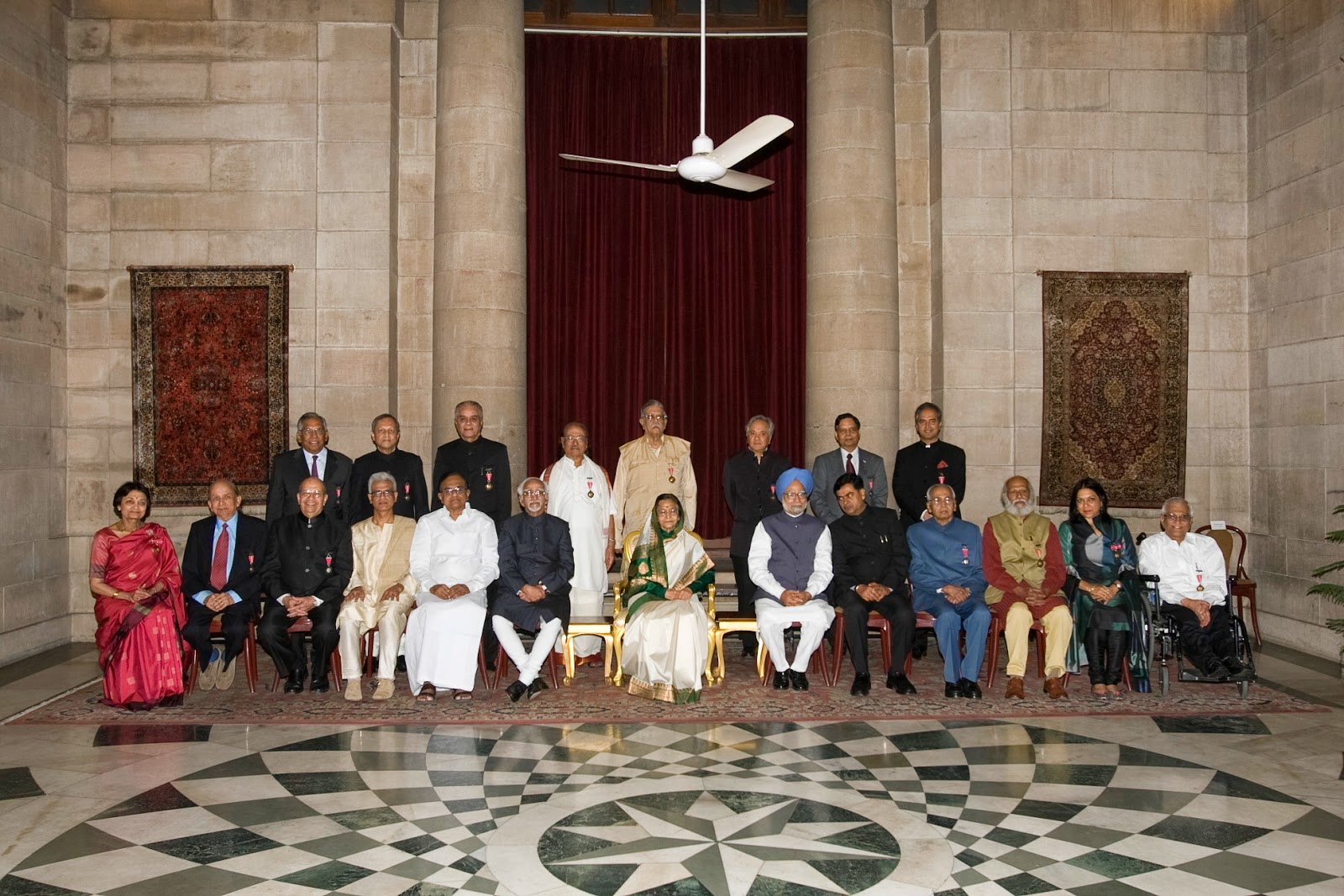
A Living Legend: Padmavibhushan Dr. K. H. Sancheti

नियतीला घडवितांना – पद्मविभूषण डॉ. के. एच. संचेती


पद्मविभूषण डॉ. संचेती यांनी २४ जुलै २०१८ रोजी आपला ८२ वा वाढदिवस साजरा केला. डॉ. कांतीलाल हस्तीमल संचेती हे एक नाव नसून, एक संस्था आहे. असे क्वचितच लोकं दिसतात जे केवळ परोपकारासाठी आणि मानवतेच्या सेवेसाठी ह्या जगात आहेत.

डॉ. संचेती हे व्यवसायाने अस्थिरोगतज्ञ. त्यांनी १९६५ साली पुण्यातील पहिला अस्थिरोगतज्ञ होण्याचा मान मिळवला आणि आपली प्रक्टिस सुरु केली. या वर्षी ते आपल्या सेवाभावी कार्याचे ५० वर्ष पूर्ण करीत आहेत. डॉ. संचेती म्हणतात कि कितीही मोठ्ठा डॉक्टर असो, तो प्रक्टिसच करतो, परफेक्ट होत नाही. म्हणून त्यांनी कायमच ज्ञान मिळवण्याची धडपड सुरु ठेवली. डॉ. संचेती मानतात कि ते अगदी साधारण बुद्धीचे विद्यार्थी आहेत. परंतु त्यांच्यामध्ये कठोर परिश्रमाची अनोखी ताकद आहे. वैद्यकीय महाविद्यालयात शिकत असताना जेव्हा त्यांचे सहकारी मित्र तासाभरात २० पाने वाचून काढत, संचेती सरांची १० देखील होत नसे. पण ते ठरवून दुप्पट तिप्पट जास्त वेळ अभ्यास करत आणि प्रगती करत. ह्यात त्यांना डॉ. कर्णिक आणि श्री. कुकडे ह्यांच्यासारखे दिग्गज मित्र प्राप्त झाले ज्यांनी त्यांच्या आयुष्याला नवीन दिशा प्राप्त करून दिली. ह्याच बरोबर डॉ. मोदी, डॉ. ग्रांट, डॉ. तळवलकर आणि डॉ. कोयाजी सारख्या आदर्शमुर्त्याही प्राप्त झाल्या आणि त्यांच्या ज्ञानाचा उजळा झाला. किंतु ह्या गुरुमाउलींनी सर्वात मोठी दिलेली शिकवण म्हणजे चांगला डॉक्टर बनण्याबोरोबरच चांगला माणूस बनणे जास्त महत्वाचे आहे.

डॉ. संचेती हे मुळात पुण्यातील एका मध्यम वर्गीय कुटुंबात जन्मलेले. वडिलांचे किराणामालाचे दुकान होते. त्यांच्याकडून त्यांना सतत परिश्रम आणि चोकस्पणाची शिकवण मिळायची. पण त्याच बरोबर व्यवहार ज्ञान, मृदुलता आणि प्रामाणिकपणा देखील शिकायला मिळाला. डॉ. संचेती सांगतात कि लहानपणी जेव्हा ते ग्राहकासाठी धान्याची पुडी बनवत तेव्हा त्यांचे वडील ग्राहकाची परडी वजन काट्यावर पूर्ण खाली जाईस्तोवर धान्य देत कारण ग्राहक हे देव असतो हीच त्यांची श्रद्धा. हीच शिकवण घेत डॉ. संचेतींनी डॉक्टर झाल्यावर रुग्णसेवेला आयुष्य अर्पण केले. रुग्ण्नांची सेवा म्हणजेच ईश्वर सेवा हाच त्यांचा ध्येय. डॉ. संचेती मानतात कि आपल्या रुग्णांनी दिलेला आशीर्वाद हीच खरी संपत्ती आहे. खास करून गरीब आणि मध्यमवर्गीय रुग्ण. ते सांगतात कि त्यांच्या बालपणी त्यांच्या आईच्या छोट्याशा शस्त्रक्रियेसाठी देखील त्यांच्या वडिलांकडे पैसे नव्हते. ह्याचा त्यांच्या मनावर खूप परिणाम झाला आणि डॉक्टर झाल्यावर  त्यांनी निश्चय केला कि गरीब आणि मध्यमवर्गीय रुग्णांच्या सेवेसाठी आपले आयुष्य वहायचे. ते म्हणतात कि पैसा तर येतच राहतो. पण रुग्णांकडून मिळणारा मान सम्मान आणि त्यांचा आशीर्वाद हीच त्यांची खरी पुंजी आहे.


रुग्णांसाठी त्यांना वाटणारी करुणा आणि आस्था हेच त्यांचे मनोबल आहे. महाराष्ट्रात पोलिओची साथ असतांना त्यांनी प्रचंड प्रमाणात मोफत पोलिओची शिबिरे घेतली. दर महिन्यातून ५-६ वेळा ते स्वखर्चाने गावो गावी जात आणि पोलिओग्रस्त रुग्णांवर मोफत उपचार आणि शस्त्रक्रिया करीत. ह्याचीच दखल घेत भारत सरकारने १९९१ मध्ये आदरणीय राष्ट्रपतींच्या हस्ते त्यांना पद्मश्री ने सम्मानित केले. ह्याने तर त्यांची कार्यक्षमता जवळ जवळ दुप्पट झाली आणि गरीब आणि मध्यमवर्गीय रुग्णांच्या सेवेसाठी त्यांनी स्वताला जास्तच वाहून घेतले. ह्याबद्दल २००३ साली त्यांना भारत सरकारने आदरणीय राष्ट्रपतींच्या हस्ते पद्मभूषण पुरस्काराने गौरवण्यात आहे.


रुग्णसेवेचा जणूकाही डॉ. संचेतींनी ध्यासच घेतला होता. आपल्या देशात बर्याच लोकांना गुडघेदुखी चा त्रास होतो आणि बर्याच वेळी गुडघे बदलून कृत्रिम सांधे लावावे लागत. पण हे खूपच खर्चिक असत. ह्याव्यतिरिक्त हे सांधेरोपण केलेल्या व्यक्तीला मांडी घालून किव्वा उपडी बसणे शक्य होत नसत. हीच अडचण लक्ष्यात घेऊन डॉ. संचेतींनी कठोर संशोधनाने भारतीय जीवनशैली ला साधेशे कृत्रिम गुडघ्यांचा शोध लावला. हे रुग्णांना परवडणाऱ्या किमतीत देखील होऊ लागले. ह्यावरच न थांबता डॉ. संचेती धातू ऐवजी सिरेमिक वर देखील प्रयोग करू लागले जेणेकरून अत्यंत कमी किमतीत आणि दीर्घकाळ टिकणारे खुब्याचे कृत्रिम सांधे बनवणे शक्य होईल. त्यांच्या रुग्णसेवेसाठी उचललेल्या पणाची भारत सरकारने दखल घेतली आणि २०१२ मध्ये पद्मविभूषण पुरस्काराने त्यांना सम्मानित केले. भारतातील ते एकुलते एक अस्थिरोगतज्ञ आहेत ज्यांना ह्या तीनही पुरस्काराने गौरवण्यात आले आहे.


डॉ. संचेतींचे म्हणणे आहे कि कामाचा किव्वा सेवेचा थकवा हाच मोठा शत्रू. ते म्हणतात कि, मी रोजच सुट्टी आहे असा निश्चिंत राहतो आणि कधीही कामाचे दडपण अथवा ताण घेत नाही. किंबहुना, मला कामामुळे आणि रुग्णासेवेमुळे नवीन उत्साह आणि चैतन्य प्राप्त होते. ते कधीही आपल्या कर्तव्य पूर्तीला नाही म्हणत नाही. ते म्हणतात कि माझे रुग्णाच माझी उर्जा आहेत. त्यामुळे मला कधीच त्यांचा कंटाळा येत नाही किव्वा तेच तेच काम करतो आहे असे ही वाटत नाही. मी प्रत्येक वेळी रुग्णांसाठी नवीन विचार धारणा आणि नवीन शास्त्र वापरतो जेणेकरून नवीन तंत्रज्ञानाचा फायदा होऊन माझ्या रुग्णांना लवकर आणि अधिक आराम मिळेल आणि त्यांचे जीवन पुन्हा नवीन प्रकारे उजळेल. खरच, डॉ. संचेतींचा स्वभाव हा विशेषच आहे. स्वभावातील मृदुलता, कर्तव्याची जाणीव आणि इतरांसाठीचा त्यांच्या मनातील आदर ह्या शिकण्याच्या बाबी आहेत. ते म्हणतात, माणसानी कायम शिकतच राहिले पाहिजे. ज्ञान हे एक उत्तम मित्र असत.

डॉ. संचेती हे केवळ अस्थिरोगशास्त्रातच नाही तर इतर विषयात देखील तज्ञ आहेत. त्यांचा वास्तुशास्त्र ह्या विषयातील आभ्यास अमाप आहे. खास करून हॉस्पिटलांमध्ये वास्तुशास्त्रामुळे करता येणारे सुधार आणि नैसर्गिकरीत्या उर्जेचा वापर ह्या विषयावर त्यांचा उत्तम अभ्यास आहे. ह्याच बरोबर त्यांना अर्थशास्त्र आणि कर भरणा ह्यात सुद्धा खूप रुची आहे. ते म्हणतात कि प्रत्यक माणसाकडून भरपूर ज्ञान मिळवण्यासारखे असते. केवळ आपल्या मनाची आणि मेंदूची दारे उघडी हवीत. आणि ह्याहून महत्वाचे म्हणजे स्वतःचा आहंकर बाजूला सारून समोरच्याकडून शिकण्याची मनाची तयारी देखील हवी. ते सांगतात कि त्यांना लोकांकडून नवीन नवीन माहिती घ्यायला आणि शिकायला खूप आवडता. ते मानतात कि दुसऱ्यांचा सम्मान आणि आदर करूनच आपण मोठे होऊ शकतो. डॉ. संचेती म्हणतात कि देवाने त्यांना जे गुण दिले आहेत, त्यात मृदूपणा, धैर्य, एकनिष्ठता, कामावर श्रद्धा, आणि दुसऱ्यास मदतीस तत्परता ही त्यांना सर्वात मोठे गुण वाटतात. आणि ते मन मोकळेपणाने आपल्या प्रगतीचे श्रेय आपल्या पत्नीला आणि परिवाराला देतात. आपल्या सध्या जीवनाने, प्रेमाने आणि आत्मीयतेने ते खरोखरच सर्वांचे मन जिंकून घेतात.  


पण इतके प्राप्त करून देखील डॉ. संचेती अल्प संतुष्ट आहेत. ते सांगतात कि त्यांच्या जवळ एक १९४८ ची सेकंड हेंड कार होती जी त्यांनी १९६८ मध्ये रु. २४००/- ला विकत घेतली होती. तेव्हा देखील त्यांना आपल्याकडे सर्व सुख सोयी असल्याची भावना होती. ते म्हणतात, मला आज जे काही प्राप्त झाले आहे ते केवळ परमेश्वराच्या आशीर्वादानी आहे. त्यामुळेच मला दुसऱ्यांना देण्यात जास्त सुख वाटतं. ते म्हणतात कि जोपर्यंत माझे हात पाय चालू आहेत, मी माझे रुग्ण सेवेचे कार्य सुरु ठेवीन. 


आपल्यास प्राप्त झालेले ज्ञान डॉ. संचेती स्वतः जवळ ठेवत नाहीत तर त्याचे ज्ञानार्जन करीत असतात. डॉ. संचेतींना सर्व डॉक्टर्स आपले गुरु मानतात. त्यांच्या कडून शिकण्यासाठी केवळ पुण्यातूनच नाही तर अख्ख्या भारतातून आणि परदेशातून देखील विद्यार्थी संचेती हॉस्पिटल मध्ये येतात. आणि सर्वात सुंदर म्हणजे डॉ. संचेती त्यांना केवळ उत्तम सर्जन बनवत नाहीत तर सज्जन आणि निर्मल देखील बनवतात. आपल्या गुरूंना केलेल्या वचनाचे पालन करीत सर्व शिकाऊ अस्थिरोगतज्ञांना चांगले मनुष्य बनवतात. त्यांचे वर्ग सकाळी ६ वाजता सुरु होतात ते गुरुवंदना आणि ध्यानाने. प्रथम स्वतः वर संस्कार, मग रुग्णांवर प्रेम आणि मग देवावर श्रद्धा ही त्यांची शिकवण अदभूत आहे. ह्यानेच त्यांच्या बराच्याच विद्यार्थ्यांनी जगभरात भारताचे आणि संचेती हॉस्पिटल चे नाव लौकिक केले आहे.


डॉ. संचेती म्हणतात, मी खूप समाधानी आहे. मी माझे सर्व वैभव देवाला समर्पित केले आहे. त्यामुळे देवच माझी काळजी घेतो. म्हणून मला दुख:, उदासीनता आदी गोष्टींचा त्रास होत नाही. ते म्हणतात कि मी इतका समाधानी आहे कि मला मृत्यूची देखील आता भीती वाटत नाही. त्यांचे आता एकाच ध्येय आहे, जितकं आयुष्य आहे ते सुखाने, समाधानाने, इतरांच्या सेवेसाठी आणि समाजाला काहीतरी उपयुक्त राहण्यासाठीच घालवायचे आहे.

खरच, डॉ. संचेतींच्या या सेवाभावी, समंजस आणि लौकिक वृत्ती ला मनःपूर्वक प्रणाम.


डॉ. अपूर्व शिंपी

Sunday, 29 June 2014

Health is Wealth


We all exercise for the benefit of our health. Good health means a better disease free life. But it is extremely important to know and understand what good health is. The World Health Organisation (WHO) defines health as completeness. Completeness means not only absence of disease but a complete physical, mental and social health. We often feel we are healthy just because we don’t have any problems or any diseases. But we are healthy only if we are free from any physical, mental and social risk factors of development of any disease.


We all often feel, why should we think or know of this information. Health is the rule of nature. We all are made & adapted so as to have maximum efficiency and performance. Our own body is the best of the doctors. It knows how to keep itself optimum. We all health professionals have a social commitment to maintain this optimum fitness in the entire population.


Most of the diseases in today’s world are under the domain of lifestyle diseases and are primarily caused due to wrong lifestyle. Diabetes, Hypertension (High Blood pressure), Obesity, Arthritis, Mental stress, Cancer, Back and neck pain, these all have become routine problems now seen in our daily clinical practice. And the unfortunate fact is these conditions (except cancer maybe) are routinely accepted now as social diseases by everyone extremely casually. But the fact is all these diseases are very much preventable.


Exercise boosts up our fitness and capability. It also boosts our immunity thereby helping us fight all the communicable diseases as well. If every one of us remains fit and healthy, surely the entire society and the country will by healthy and boost the economy of our country on health care costs.


Exercise is the excellent way for an optimal health and excellent life. But what does exercise mean? Many of us have mis-concepts about what exercise is!!! Any physical and mental activity which helps in benefiting our fitness and health can be called as an exercise. This can include simple walking, jogging, swimming, gyming, yoga, meditation, vipassana, satsang or sports. It is any activity which makes us happy, healthy and at peace. Our physical health is multi compartmental. But it is very much dependent on our mental status as well.

Our body and mind needs regular servicing and care. Of these the vital organs which need to be cared are the brain (mind), heart, lungs, abdominal organs (liver, kidney, pancreas etc.), muscles and tissues, bones and joints.

1) Brain: This includes the mind (and soul as well). Stress and un-satisfaction are amongst the prime reasons for diseases of the brain. Along with this, mental instability is also an important contributing factor for mental problems. For mental peace and concentration, meditation and pranayama are said to be very useful. Meditation means going in the empty state of the mind. Rather it is said as going in to know your inner self. It tackles the biggest problem of today’s generation which is lack of focus or concentration. It helps in giving rest to the brain by not having any thoughts in the mind. This help in increasing the functioning and capacity of the brain. Pranayam is also very useful for the functioning of the brain. It not only provides the essential oxygen, which is the food for the brain, but also helps in controlling the sympathetic system activity which is responsible for the stress and its related problems like hypertension etc. and thus helps in giving a healthy life. This includes anulom-vilom, kapalbhati, bhasrika, bhramri, agnisar kriya, ashwini, bahaya pranayama, omkar etc.


2) Heart and Lungs: The exercises which enhance the function of the heart, lungs and their muscles are called as aerobic exercises. These exercises increase the heart beats and the respiration rate by 20 – 30% and are to be done for at least 20-30 minutes. These exercises increase the stamina (Endurance) and reduce fatigue, which means we can work and perform for a longer time without getting tired. Many people have this misconception that daily work and house hold work means exercise. But this leads to exertion and not exercise. Exercise helps in increasing the body functioning and gives us happiness and euphoria. Exercises helps in increasing the body’s natural opiates, beta endorphins and encephalin, which gives us that happy feeling after a fitness session. Fatigue or exertion gives an exact opposite effect. Exercises like running, jogging, swimming, cycling, yoga, Suryanamaskar; Physical education exercises increase our physical functioning and working capabilities.


3) Abdominal Organs: This includes lives, stomach, intestines, pancreas, kidneys, hormones etc. Many diseases exist because of dysfunction of these organs including jaundice, diabetes, constipation, fluid retention etc. A good and healthy diet is extremely important in combination with good exercises for the optimal functioning of these organs. Along with a healthy diet, adequate hydration, calcium and vitamins are also extremely important for our body. Processes like kapalbhati and basti are very useful for functional enhancement of the stomach and abdomen.


4) Muscles, Bones and Joints: The exercises of strength, flexibility and agility contribute to Muscle, Bone and Joint health. Strength means the ability to do any work. This is an important aspect for routine activities like lifting, pushing, pulling etc. Strengthening exercises can be done in the Gym or even in your own home with the right set of equipment. Resisted exercises with weights, dumbbells, exercise bands, Gym balls, squats, lunges, Suryanamaskar etc. can be the exercises for strength training. These types of exercises are called as anaerobic exercises. These types of exercises help to increase our work efficiencies as well as making our muscles strong and bulky.


Flexibility is the ability to take the body into different positions and postures without getting injured. Muscles and joints tend to get stiffened in absence of exercises or with an advancing age. This may lead to strains or sprains or other forms of injuries. Stretching exercises add to the flexibility of our body. Yogasanas take our body into various postures which helps us maintain this movement. Especially aasans like Bhujangasan, Paschimmottanasan, Nautasan, Shalabhasan, Pawanmuktasan, Vajrasan, Tadasan, Virbhadrasan, Gomukhasan, Veerasan, Markatasan, Suryanamaskar etc. are extremely important for improving flexibility.


Agility means skill of performance. It is the ability to react and respond in the shortest time with extreme accuracy. Both strength and flexibility along with a sharp mind are crucial for agility. This also requires being at easy so as to react appropriately in the given situation.

One of the biggest problems we all have is we neither have the time or money nor the space for doing these exercises in this rat race. But truly speaking, exercises really do not require so much of time, money or space. There are many exercises which can be done in a shorter duration and even in small spaces. Our ancestors and monks used to do Suryanamaskars for their health enhancement. Along with such exercises, these monks/sages used to possess inner peace. Even their dietary habits were balanced and their behaviour used to be noble and gentle. The principles of Patanjali preach purity of the mind and the heart. They also say that gentle behaviour, good character and positive thoughts are most important for an optimal health.


Suryanamaskar is a complete body and mind exercise which does not require any much time or space, and definitely does not require any money. Research says that even 12-15 suryanamaskars can be adequate to maintain the level of body fitness in today’s stressful life. Dr. KH Sancheti says that “a simple habit of just moving each and every joint of your body once a day in bed, before you get up for work, is a good exercise for your body. It’s something similar to an airplane pilot who performs all the checks on an airplane before take-off. It’s very important to remember that our body is non-replaceable.”


But our today’s generation is trying to imitate the western culture of life but forgetting the mantra of health and fitness. Along with this, we all are busy in running around to satisfy our needs, then our wants and then our desires. This unknowingly puts a lot of stress on our body and mind and shows us the way of drugs, alcoholism, smoking and other addictions. These have no more remained personal problems but have in fact become social problems. Thus, we all have a moral obligation to prevent such addictions by promotion of health and fitness which takes us away from such unwanted desires.


In today’s world, we require parks and gardens more than malls and shopping complexes. We require fresh air and clean drinking water rather than pollutions and aerated colas and drinks. We all require fitness and health rather than medicines to help pull us every day ahead. We require a beautiful life worth living and enjoying every moments rather than just surviving. We require more commitments towards our own self in order to love and serve our country and humanity.